Longitudinal cohort research · UNSW Sydney

Following a generation of children to understand how wellbeing takes shape.

The NSW Child Development Study links de-identified records from across health, education and community services with a purpose-built childhood survey, tracing the roots of mental health and resilience from the earliest years into adult life.

EARLY YEARS MIDDLE CHILD. ADOLESCENCE ADULTHOOD
One cohort, observed at every life stage
90k+
children in the linked population cohort
5
developmental domains measured in childhood
3
sectors linked: health, education, community services
15+
years of continuous, ethics-approved follow-up

What the study is

A whole-population view of how children grow.

The NSW Child Development Study is a longitudinal research programme that asks a deceptively simple question: why do some children flourish while others struggle, and what can be done earlier?

Rather than studying a small sample in isolation, the study works at the scale of an entire generation of New South Wales children. It brings together routinely collected administrative records with a dedicated childhood survey, building a rich, de-identified picture of each child's development without ever needing to single anyone out.

The result is evidence that policy-makers, schools, clinicians and families can act on: insight into the conditions that build resilience, and the early signals that signal a need for support.

We do not start with a diagnosis and look backwards. We start in childhood and follow the whole cohort forwards, so the patterns reveal themselves over time.

Two streams, one cohort

How the evidence is built.

The study's strength comes from joining two very different kinds of information about the same group of children, then reading them together across time.

Stream 01 · Record linkage

Cross-agency administrative data

De-identified records held by health, education and community-services agencies are securely linked for the population cohort. Each source captures part of a child's story; together they describe development across many settings and years.

No researcher ever sees a name or address. Linkage is performed under strict governance so that the people behind the data stay protected.

How linkage works

Stream 02 · Direct survey

The Middle Childhood Survey

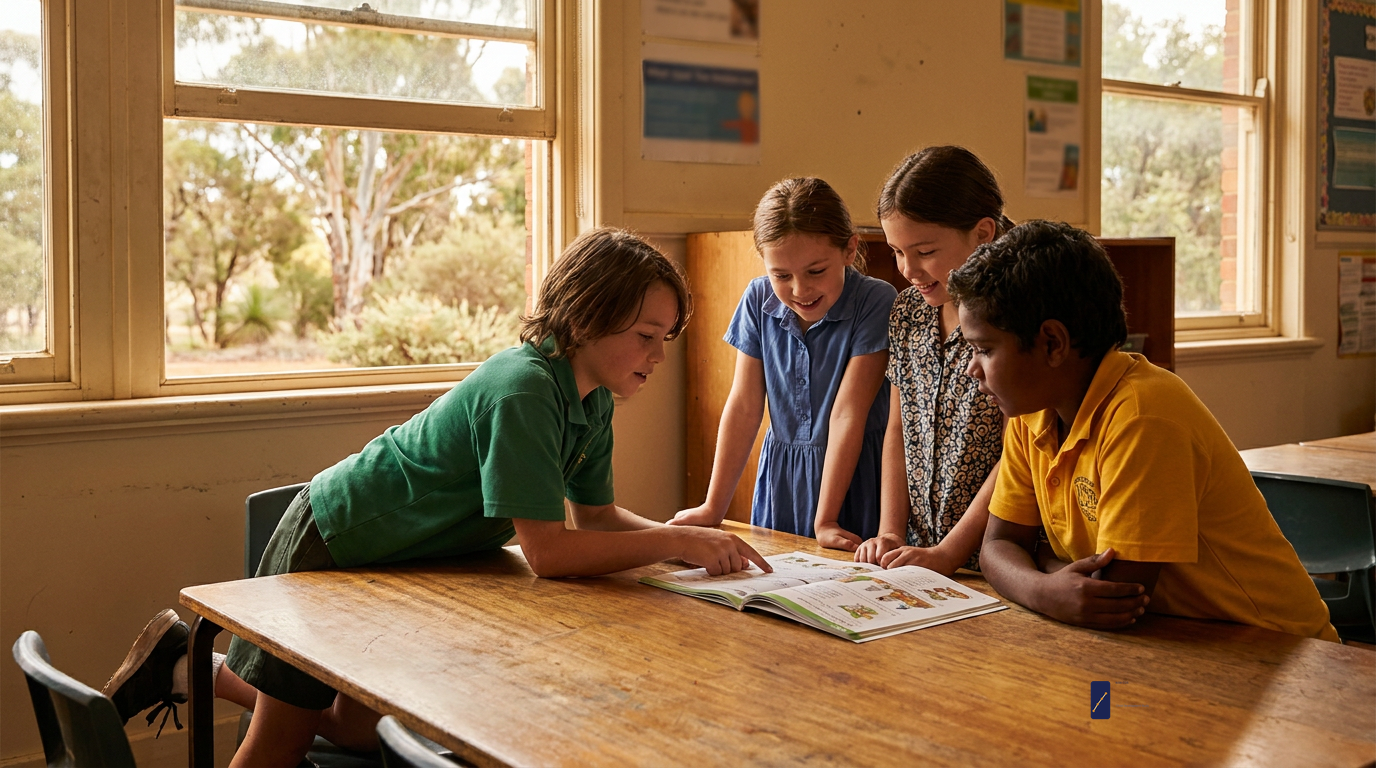
A purpose-built survey completed by students in their middle primary-school years across government, Catholic and independent schools in NSW. It captures the child's own perspective on their social, emotional, cognitive, physical and language development.

This first-person voice complements the administrative record, adding context that numbers alone cannot.

About the survey

Why it matters

Turning a generation's data into earlier, kinder action.

Aim 01

Map the path of wellbeing

Describe how mental health, resilience and difficulty emerge and change as children move from the early years into adulthood.

Aim 02

Find what builds resilience

Identify the family, school and community conditions that help children thrive despite adversity, so strengths can be reinforced.

Aim 03

Support earlier intervention

Give policy-makers, schools and services evidence to act before problems entrench, shifting effort from treatment toward prevention.

Aboriginal-led component

Ngadhuri‑nya — looking after wellbeing

Designed and guided together with Aboriginal researchers and community partners, this strand centres the wellbeing of Aboriginal children and communities, ensuring the study listens to and is led by the people it seeks to serve.

Learn about Ngadhuri-nya

Work with the study

Evidence for researchers, schools and policy.

Approved researchers can apply to access the study's de-identified data under a formal governance process. Partners and participating families can find out how their contribution shapes the science.